From our nest
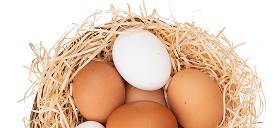


To yours



Our Story 


When Frank Sauder started selling the freshest vegetables, poultry, and eggs from Lancaster, PA farms to residents and businesses located in Philadelphia during the Great Depression in the 1930s, no one knew what the future held. Sauder quickly built a solid reputation for quality foodstuff and fair prices. Constantly building on that reputation, Sauder’s door-to-door egg business has grown into one of the nation’s top egg wholesaling businesses over the years.
Since the company’s humble beginnings R.W. Sauder has expanded from one location in Brownstown, PA to four grading and processing facilities in two states. Today, the organization employs close to 400 people and sells approximately 1.4 billion eggs annually.
Our Products
Choose naturally better eggs
Just as many people like the family-orientation our operation has, you’re sure to appreciate the variety of egg products we offer. When you buy eggs from Sauder’s, it’s all about variety, quality, hen husbandry, integrity and excellence. And these things certainly show in the products that bear the Sauder name.


Our Farmers
From Small Family Farm to Your Family Table

Family-owned and operated since its founding, R.W. Sauder is now led by President and CEO Mark Sauder, the fourth generation of the family to guide the company. Just as Sauder’s Eggs and the other divisions remain family-owned, the farms we partner with are family-run as well.
Family-owned and operated since it was founded, R.W. Sauder is now managed by President and CEO Mark Sauder, the fourth-generation Sauder to occupy the organization’s top position. Just like Sauder’s Eggs and the other divisions that make up R.W. Sauder is family-owned, so are the farms the company does business with.




Happy Hens, Healthy Eggs
Quality and Care in Every Egg
At Sauder’s Eggs, we believe that happy hens lay the best eggs. That’s why we’re committed to hen enrichment practices that go above and beyond standard requirements. From providing ample space for roaming and socializing to offering enriching activities like perches, dust baths, and pecking toys, we prioritize the physical and psychological well-being of our hens.





Cook. Gather. Learn.
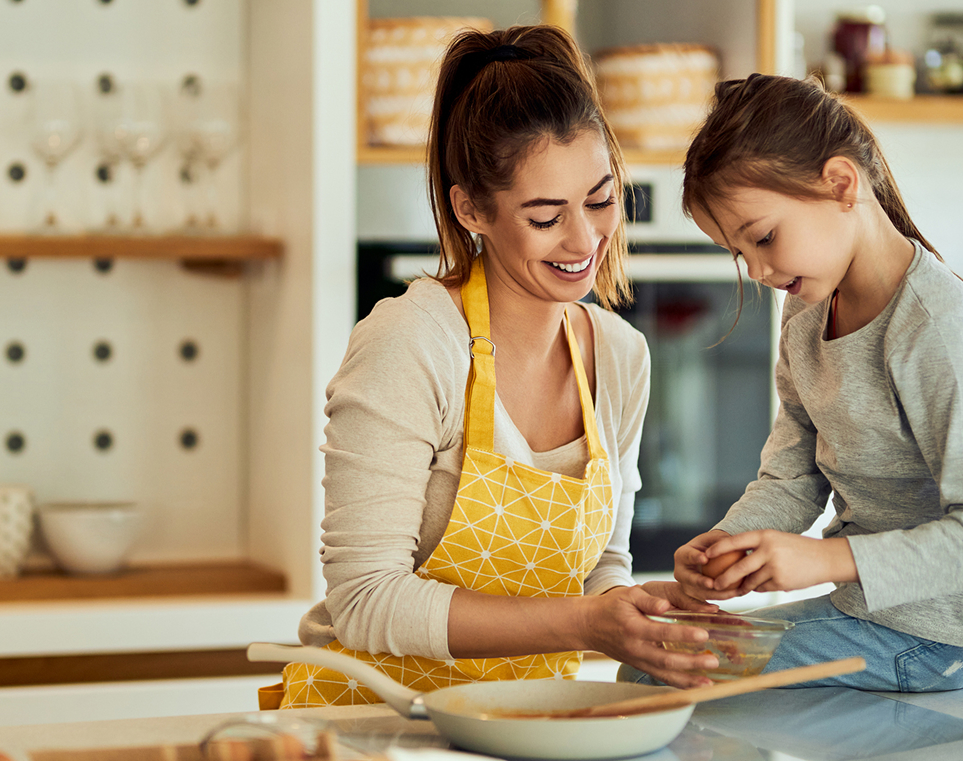
Discover recipes, stories, and tips that bring people together—one egg at a time